The Emergency First Response (EFR) course is one of the most widely recognized international CPR and first aid courses. It follows the same medical protocols used by professionals but is tailored specifically for laypeople, focusing on building the confidence to act in a crisis.
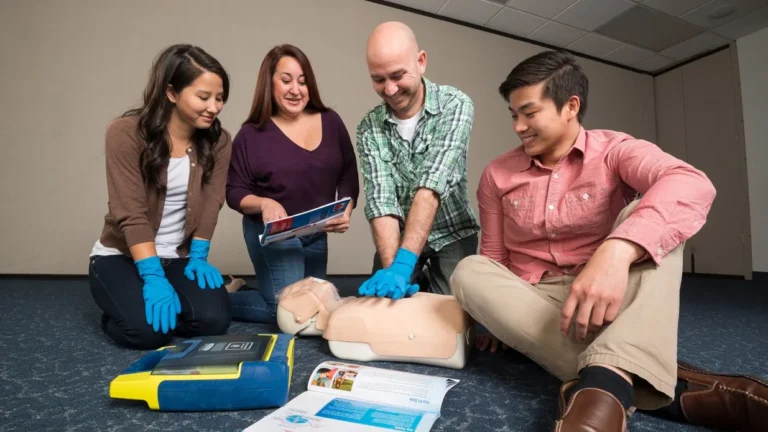
EFR training is an upbeat, non-stressful way to learn serious skills. The course is divided into two main components: Primary Care (CPR) and Secondary Care (First Aid). You’ll learn how to prioritize medical needs using the “Cycle of Care” and practice these skills in realistic scenarios.
While this course is a prerequisite for the PADI Rescue Diver and Divemaster certifications, it is a land-based program designed for everyone—divers and non-divers alike. Whether it’s a workplace requirement or just for personal peace of mind, EFR prepares you to be the one who knows what to do when it matters most.
Emergency First Response courses have been approved or meet the United States Coast Guard (USCG) guidelines for CPR/First Aid training. For full list of accrediting organizations click here.
The curriculum is based on internationally recognized medical guidelines for emergency care.
- Primary Care (CPR): Managing life-threatening emergencies. You will learn scene assessment, barrier use (gloves/masks), rescue breathing, chest compressions, and how to manage serious bleeding, shock, and spinal injuries.
- Secondary Care (First Aid): Assessing injuries and illnesses that are not immediately life-threatening. This includes bandaging, splinting, and handling allergic reactions, burns, or heatstroke.
- AED Training: How to use an Automated External Defibrillator, a critical tool for cardiac arrest survival.
- Scenario Practice: You will apply your skills in “mock” emergencies to build the muscle memory and mental clarity needed for real-world situations.